
USCIRF Welcomes Bail for Jagtar Singh Johal, Urges Release of Other Religious Detainees in India
- Punjab
- (Asia/Kolkata)
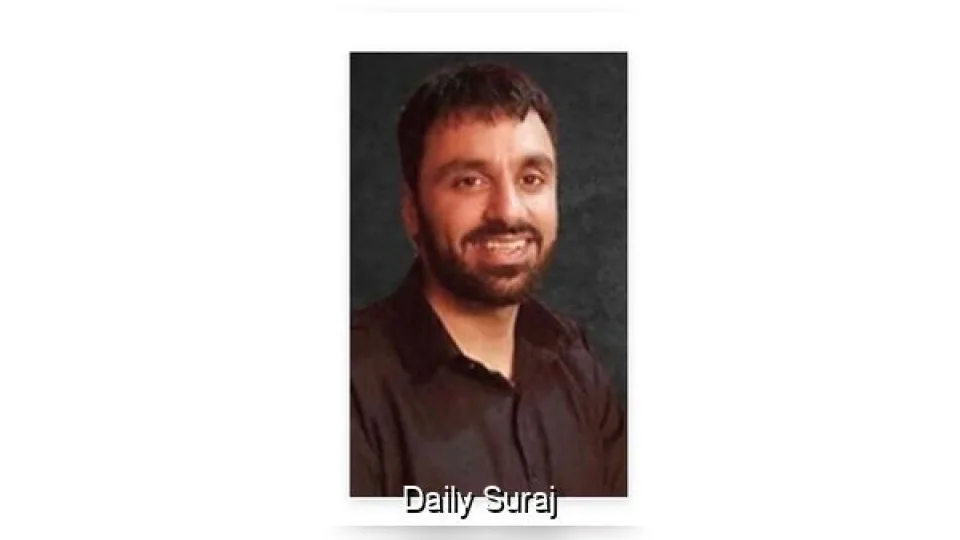
The United States Commission on International Religious Freedom (USCIRF) has welcomed the court decision granting bail to British citizen and Sikh activist Jagtar Singh Johal, while also urging the US government to raise the issue of other individuals detained in India over matters linked to freedom of religion or belief (FoRB).
USCIRF, an independent bipartisan US government commission that monitors religious freedom conditions abroad under the International Religious Freedom Act of 1998, said Johal’s release on bail marks a significant development after nearly nine years of detention.
In a statement, USCIRF Chairman Asif Mahmood welcomed the decision of the New Delhi High Court to grant bail to Johal. However, he expressed concern that uncertainty remains regarding Johal’s return to the United Kingdom and reunion with his family.
According to the commission, the bail conditions require Johal to surrender his passport and prohibit him from speaking to the media. USCIRF also noted that he continues to face several serious charges that could carry the death penalty if he is convicted.
Johal was arrested in Punjab in November 2017 in connection with targeted killings. Indian investigative agencies accused him of involvement in extremist activities and murder conspiracies. Johal and his supporters have consistently denied the allegations.
USCIRF alleged that the charges against Johal are unfounded and argued that the use of the Unlawful Activities (Prevention) Act (UAPA) in the case is inconsistent with international human rights standards. Referring to assessments by United Nations experts, the commission described his detention as unlawful and voiced concern over allegations of custodial torture. Indian authorities have previously rejected those allegations.
USCIRF Vice Chair Cecilia “CeCe” Heil said Johal’s case reflects what the commission describes as growing restrictions faced by religious minorities in India. She also referred to the cases of Umar Khalid and Sharjeel Imam, both of whom remain imprisoned under the UAPA.
The commission urged the US administration to engage with Indian authorities on the issue and seek the release of individuals whom it believes have been detained in connection with their exercise of freedom of religion or belief rights.
The Government of India, however, has consistently rejected international criticism on such matters. New Delhi maintains that India’s democratic institutions, judiciary, and constitutional framework adequately safeguard the rights of all citizens. The Indian government has also defended the UAPA as a necessary legal instrument for addressing national security concerns and combating terrorism.
In its 2026 annual report, USCIRF recommended that the US State Department designate India as a “Country of Particular Concern” (CPC). India rejected the recommendation, describing the commission’s assessment as biased and lacking factual basis.
The developments have once again brought international attention to the ongoing debate over religious freedom, national security laws, and human rights concerns in India.




Leave a Reply