
Delhi Unveils Four-Month Winter Pollution Plan with Construction Ban and Work-From-Home Measures
- National
- (Asia/Kolkata)
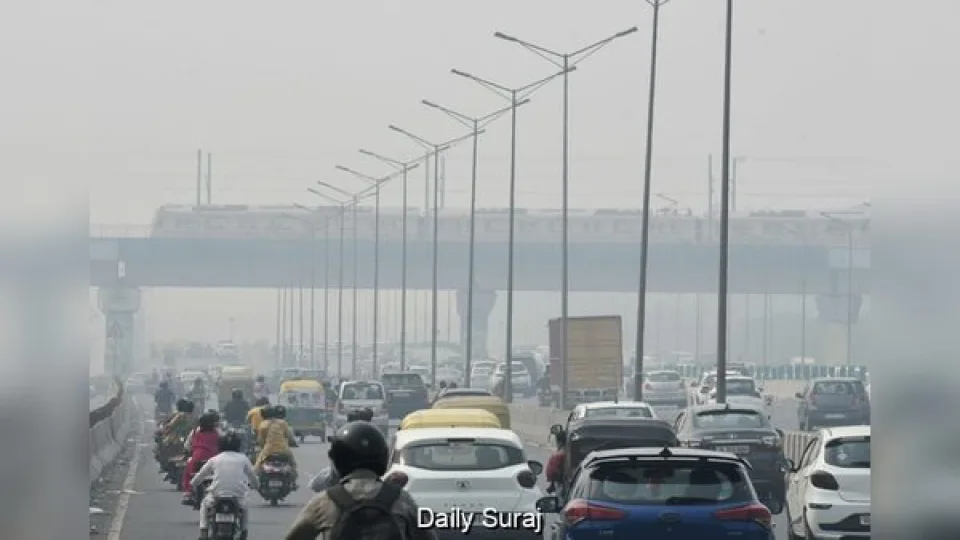
The Delhi government has announced a comprehensive four-month winter action plan aimed at reducing air pollution during the season when the capital typically faces a sharp decline in air quality. The measures, which will be in force from November 1 to February 28, include restrictions on construction activity, mandatory work-from-home arrangements for a portion of the workforce, higher parking charges and tighter vehicle regulations.
Under the new plan, dust-generating private and civil construction and demolition activities will be prohibited throughout the period. Offices will be required to function with only 50 per cent of their workforce physically present, while the remaining employees will work from home. Essential services have been exempted from the restrictions.
The measures are expected to significantly alter construction and commuting patterns across the city during the winter months.
Construction Restrictions to Intensify During Peak Pollution Period
The government has identified the period from December 10 to January 20 as the most pollution-sensitive phase of the winter season. During this period, restrictions will become more stringent, including a ban on the entry of vehicles carrying construction materials such as sand, gravel and cement from outside Delhi.
The move is likely to affect construction timelines and supply chains, particularly for infrastructure projects and private developments that rely on the transportation of bulk building materials into the capital.
Parking Charges Doubled, Office Hours Revised
As part of efforts to reduce private vehicle use, authorised parking fees across the city will be doubled. However, parking facilities at Delhi Metro stations will remain exempt from the increase.
The government has also introduced staggered office timings to spread traffic volumes and reduce congestion during peak hours. Municipal corporation offices will operate from 8.30 am to 5 pm, while Delhi government offices will function from 10 am to 6.30 pm.
Officials said the strategy is intended to lower traffic-related emissions through planned demand management rather than relying only on emergency pollution-control measures.
Fuel Purchase Linked to PUC Compliance
In a year-round enforcement measure, vehicle owners will be required to possess a valid Pollution Under Control (PUC) certificate to purchase fuel from petrol pumps in Delhi. Compliance will be verified digitally through vehicle databases, including the National Pollution Registry and VAHAN.
Additionally, from November 1 to February 28, vehicles entering Delhi from outside the city that do not meet BS-VI emission standards will face restrictions. Exemptions will be provided to CNG vehicles, electric vehicles and emergency service vehicles.
Multi-Pronged Approach to Pollution Control
The winter plan reflects a broader strategy aimed at addressing multiple sources of pollution simultaneously, including construction dust, vehicular emissions, daily commuting and fuel compliance.
The effectiveness of the initiative will largely depend on enforcement across construction sites, city entry points, parking facilities and fuel stations during the months when air pollution levels are at their highest.




Leave a Reply