
Iran Cuts Off Direct Talks with US as Pakistan Pushes Mediation Efforts
- International
- (Asia/Kolkata)
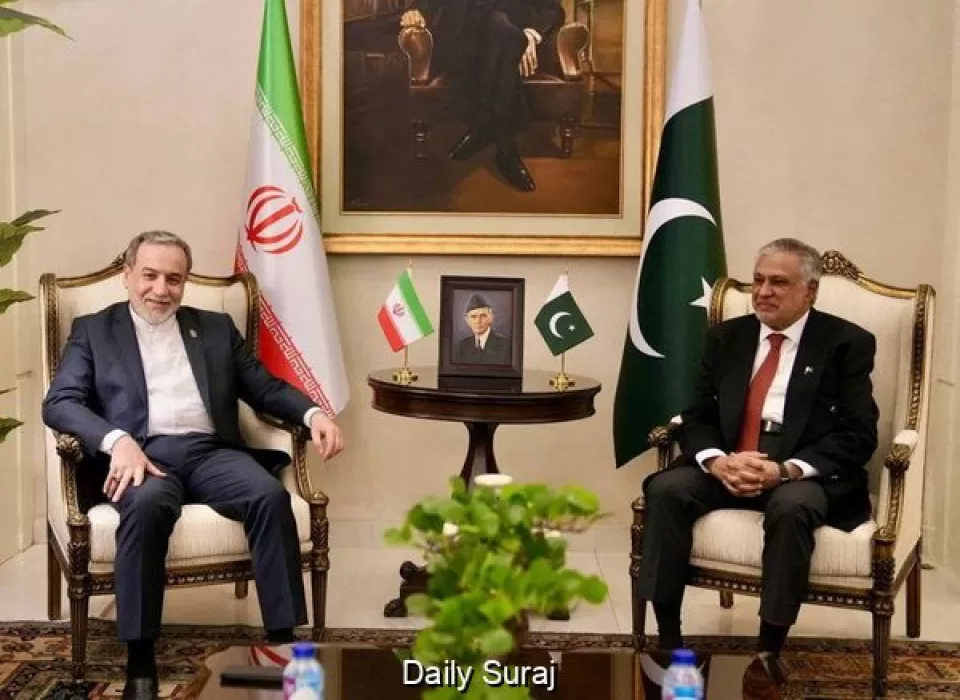
Iran is currently experiencing the longest nationwide internet shutdown in history, with citizens facing a complete digital blackout for the past 57 days, according to internet monitoring organization NetBlocks. The disruption, which has lasted 1,344 hours so far, has now entered its eighth consecutive week. The Iranian government imposed the shutdown shortly after joint military strikes by the United States and Israel targeted Tehran on February 28. Since then, the country has remained largely cut off from global digital communication. Reports indicate that the blackout has severely restricted freedom of expression, disrupted communication among families and friends, and caused significant economic damage. Amid rising regional tensions, diplomatic efforts to de-escalate the situation have encountered setbacks. Iran has firmly refused to engage in direct talks with the United States, despite mediation attempts led by Pakistan. Shortly after arriving in Islamabad, Iranian Foreign Minister Abbas Araqchi clarified that no meetings with US officials were scheduled during the visit. Iranian Foreign Ministry spokesperson Ismail Baghaei stated on social media platform X that any communication between Iran and the US would be conducted indirectly through Pakistani authorities. He also acknowledged Pakistan’s role in facilitating dialogue and attempting to ease tensions caused by what he described as an “imposed aggressive war.” Meanwhile, the White House had earlier indicated that US envoys would meet Araqchi in Islamabad. Reports suggested that senior figures such as Jared Kushner and Steve Witkoff might travel to Pakistan. However, Iran’s refusal to engage directly has cast uncertainty over the prospects of immediate diplomatic progress. Pakistan continues to play a key mediating role, seeking to bring both sides back to the negotiating table. During his visit, Araqchi also met Pakistan’s Army Chief Asim Munir. The meeting was attended by senior Iranian officials, including Deputy Foreign Minister Kazem Gharibabadi and Ambassador Reza Amiri Moghadam, as well as Pakistani Interior Minister Mohsin Naqvi. Separately, developments in the broader conflict have further intensified tensions. The United States has reportedly increased military operations in the eastern Pacific, targeting suspected drug trafficking vessels. In one such incident, two individuals were killed, bringing the total number of fatalities in similar operations to 183 since September. In another development, the US Central Command confirmed that a guided-missile destroyer intercepted a vessel flying the Iranian flag in Gulf waters. The ship was stopped due to suspicious activity, and a detailed inspection was conducted in line with international maritime regulations. As the conflict continues, Pakistan’s diplomatic efforts remain crucial in bridging the divide between Washington and Tehran. However, with Iran maintaining its stance against direct engagement, the path toward de-escalation appears increasingly uncertain.




Leave a Reply